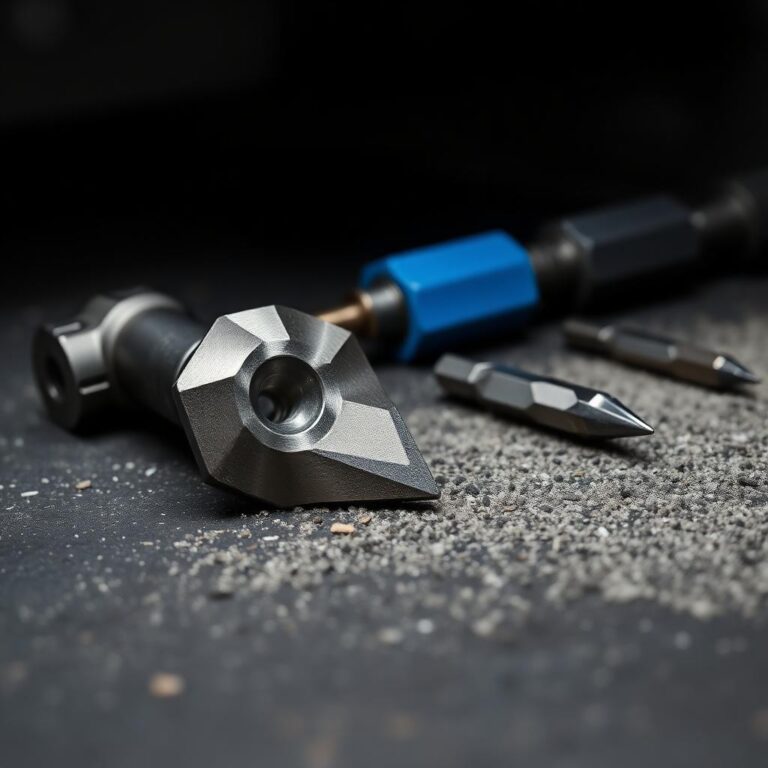
Side-by-side dimensional comparison of the two dominant hydraulic port standards and what it means for tool selection.
Two standards, one cavity family
SAE J1926 (the dominant North American port standard) and ISO 6149 (the European-led metric equivalent) share a common ancestry but diverge in thread form, spotface diameter and sealing geometry. A single port tool cannot reliably produce both.
Quick dimensional comparison
Headline differences across the most-specified port sizes.
| FEATURE | SAE J1926 | ISO 6149 |
|---|---|---|
| Thread form | UN/UNF inch | Metric, 60° flank |
| Sealing | O-ring on shoulder | O-ring in deeper counterbore |
| Spotface tolerance | +0.25 / 0 | +0.10 / 0 |
| Typical region | North America | EU, China, Japan |
Choosing the right tool set
OEMs supplying both markets should specify two distinct tool sets and clearly label each tool with the governing standard. JIAYI ships every port tool with a laser-etched standard ID and a per-tool inspection report traceable to the master gauge.
Common floor-level mistakes
We see the same three failure modes during audits:
- Mixing SAE and ISO tools in the same carousel without color coding.
- Reusing a worn ISO tool to ‘rough’ an SAE port — leaves an out-of-spec spotface.
- Substituting a metric tap for an ISO 6149 port form tool — the thread runout is wrong.