
Cutting Tools for Automotive Manufacturing
Tooling for lines that can't stop.
Engine blocks, transmission valve bodies, EV motor housings — JIAYI carbide tools deliver the predictable tool life and cycle-time stability high-volume automotive machining runs on.
The challenge
Automotive production lives on takt time. A tool that drifts mid-shift creates scrap, downtime and line stops — the most expensive failures in the plant. Cast iron is abrasive, aluminum is gummy, and transmission steels demand rigid, repeatable cutting edges, shift after shift.
JIAYI solutions for automotive
Carbide Drills
Solid and modular carbide drills for engine blocks, cylinder heads and transmission cases in cast iron, aluminum and steel.
Carbide Taps & Thread Mills
For threaded bores in powertrain components; thread mills for large or difficult threads without dedicated taps.
Milling Cutters
Face, shoulder and profile milling for housings, brackets and EV motor housings.
Custom Cavity & Port Tools
Form tools for transmission valve-body cavities and hydraulic control bores.
Typical parts & materials
- Engine blocks & cylinder headsgray and compacted-graphite cast iron, aluminum-silicon alloys
- Transmission cases & valve bodiesaluminum alloys, steels
- EV motor housings & battery traysaluminum alloys
- Brake calipers, steering knucklesductile iron, steels
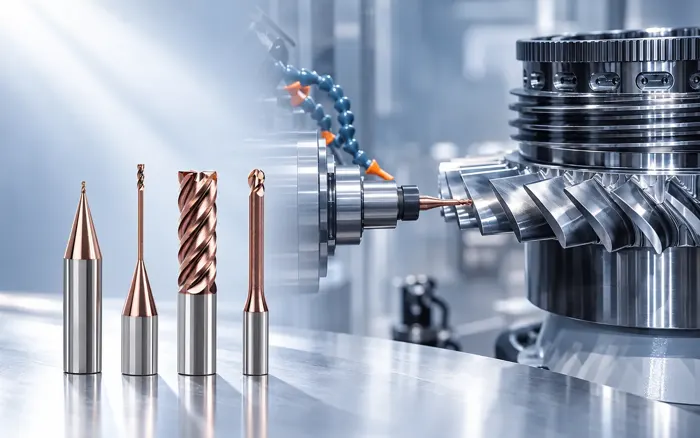
Why JIAYI for automotive
- 01
Tool life consistency engineered for high-volume, lights-out production.
- 02
Custom geometries that consolidate operations and cut cycle time.
- 03
Grades matched to cast iron, aluminum and steel — not one-size-fits-all.
- 04
Drawing-based quoting with engineering review for manufacturability.
Custom tooling in 3 steps
- 1
Send your drawings
Part print, material, annual volume and machine details.
- 2
Engineering review
We propose geometry, grade and coating for your cycle-time target.
- 3
Quote & build
Priced proposal, then production to your print.
Need tooling that holds takt time?
Send the part drawing and your volume. We'll engineer the tool around your line, not the other way around.